
Cheap Land
And Borrowed Water

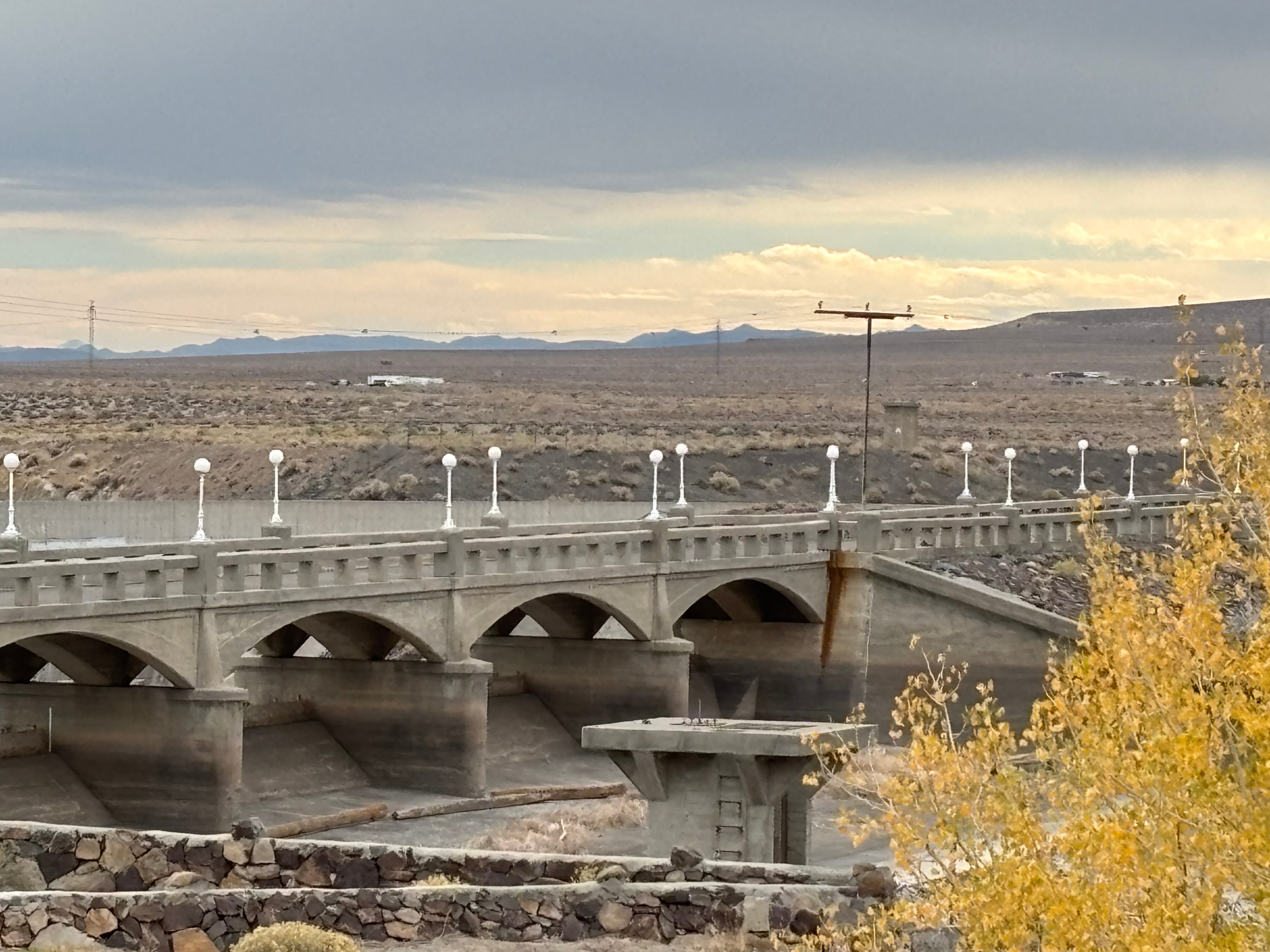
I went on a road trip in Nevada with a friend recently. We didn’t go far from Reno, but we were off the beaten path between Carson City and Fallon with a loop back through Fernley. My friend, a historian, and I cruised past fields dotted with huge round hay bales and open spaces where cattle and wild horses grazed. We paused at big dams because I wanted to see the structures that brought water to the region in 1902.
By redirecting a couple of rivers and building dams and several small laterals to capture snowmelt, steady irrigation was supposed to“make the desert bloom.” Amber waves of grain (alfalfa) did sprout, but when the Truckee was diverted Pyramid Lake shrank, the lake’s salinity doubled, fish habitats were destroyed, trout spawning streams were cut-off and the local Paiute people lost their livelihood and part of their culture forever.
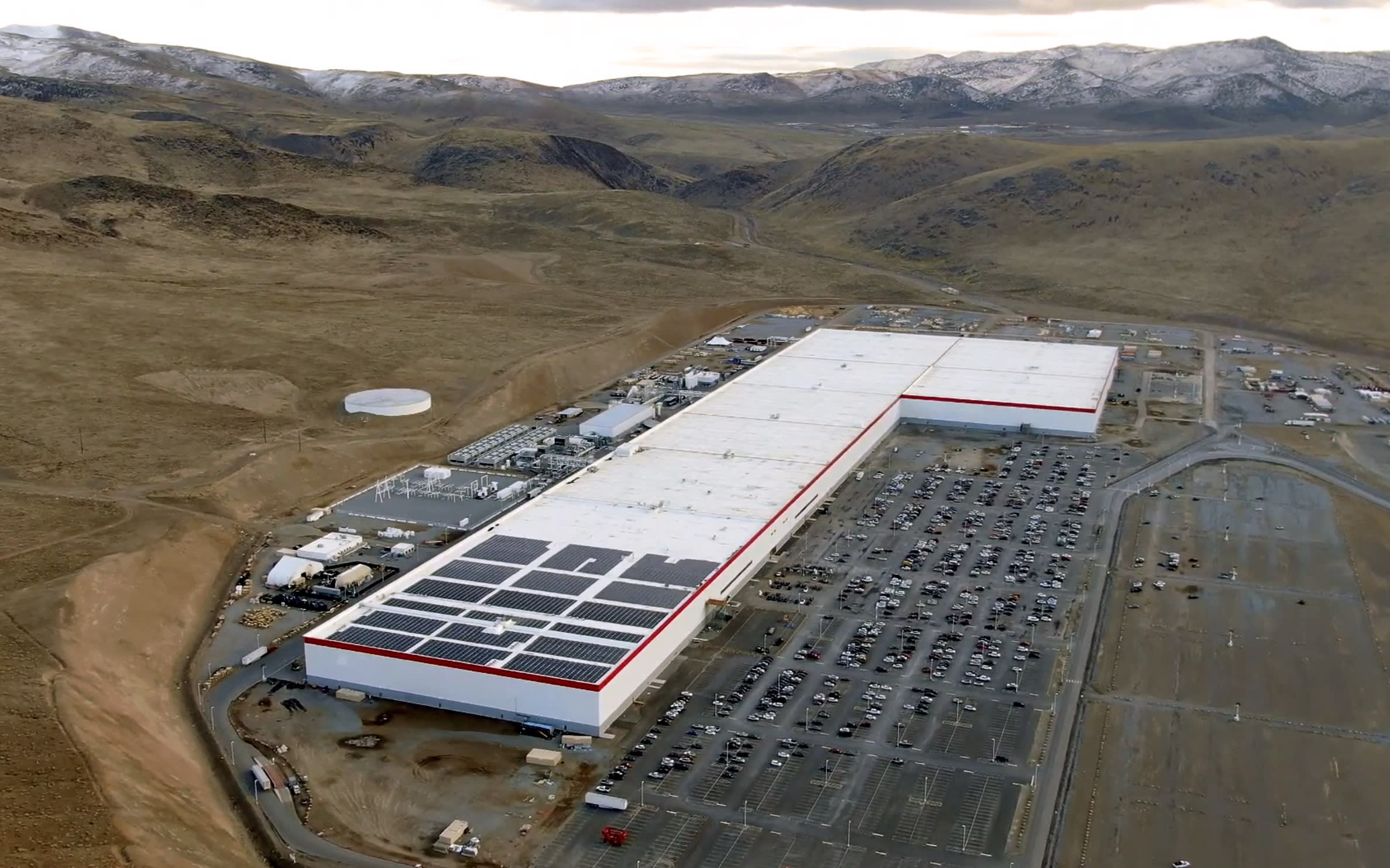
Away from the irrigated fields, we came to the newest crop that thrives where land is cheap: Industry. With over 100,000 acres, the Tahoe Regional Industrial Center (TRIC) is now one of the largest industrial parks in the world. Led by Tesla’s Gigafactory (opened in 2016), other major companies including Proctor & Gamble, Panasonic, Amazon, UPS, FedEx, Google, Apple and many others soon followed.
Collectively these industries have brought billions into the state — four to seven times as much as agriculture. They’ve created thousands of jobs, spiked population growth and changed the landscape. A hundred years ago, the lawmakers were right: water did allow the desert to bloom. Just not the way they could have imagined.
Predictable winners and losers. It's so sad we call it progress when everything progresses but our humanity.